Give your app an email address. PostedApi receives the mail, parses it into tidy JSON and posts it to your webhook — headers, body and attachments included.
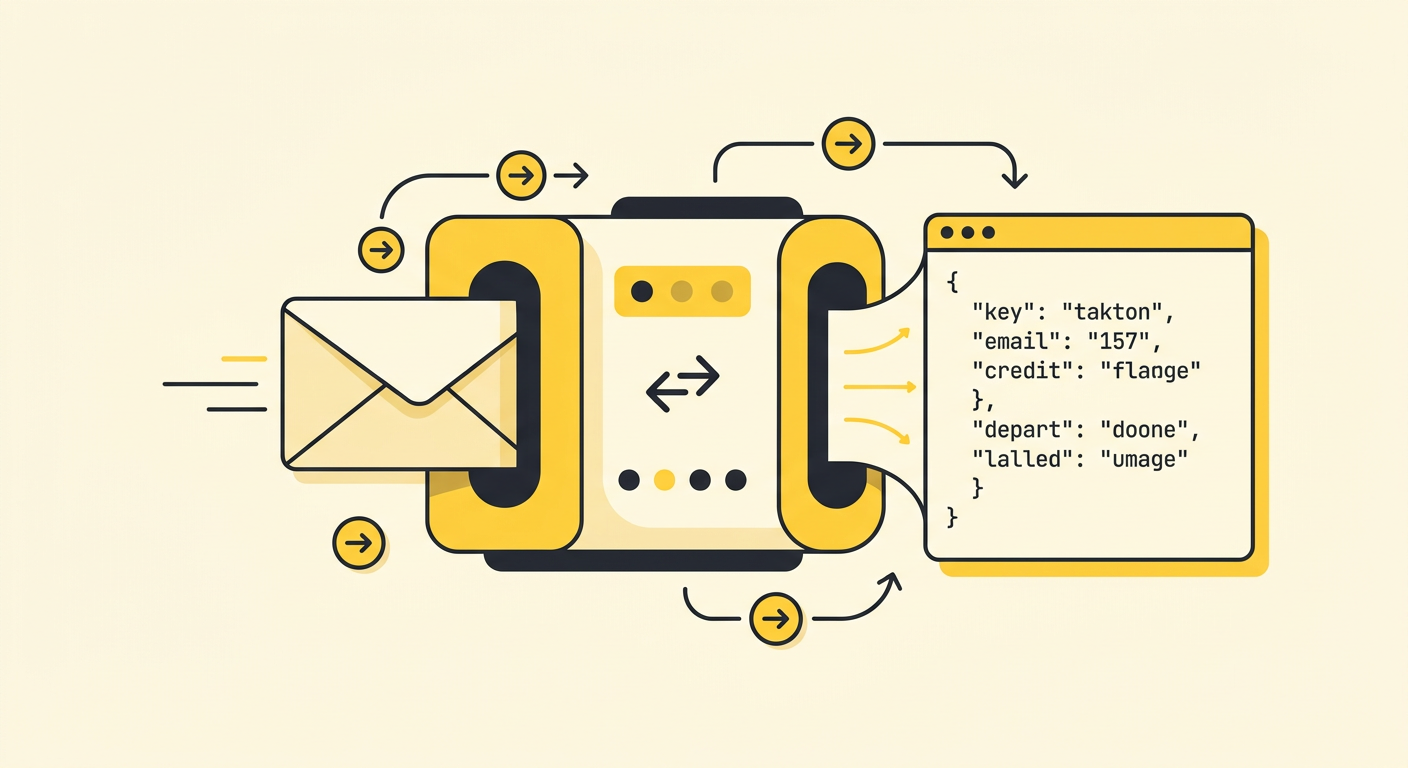
Point your domain's MX records at PostedApi and email becomes just another event in your stack. Every message is parsed the moment it arrives, then pushed to a webhook URL you control — no mail servers to babysit, ever again.
Every field you would otherwise dig out of a raw MIME message arrives ready to use.
// POSTed to your webhook as application/json
{
  "FromName": "Ada Lovelace",
  "From": "[email protected]",
  "To": "[email protected]",
  "Subject": "Re: Order #1042",
  "TextBody": "Hi! Any news on my order?",
  "HtmlBody": "<p>Hi! Any news on my order?</p>",
  "Attachments": [
    {
      "Name": "delivery-note.pdf",
      "ContentType": "application/pdf",
      "ContentLength": 48213
    }
  ],
  "MailboxHash": "ticket-1042"
}
Attachments arrive base64-encoded with their content type and size, so storing or scanning them takes one more line of code.
Inbound email has to just work, so the unglamorous parts come standard on every plan.

Every message is screened for spam and malware before it nears your endpoint. The screening results ride along in the payload, so quarantining junk is a one-line condition.

Set up replies@ for conversations, support@ for tickets, or catch every address with a wildcard. Each route can post to its own URL, with its own stream and credentials.

Endpoints crash; email shouldn't bounce because of it. If your URL can't take a POST, we back off and retry for up to 24 hours until the payload is accepted.
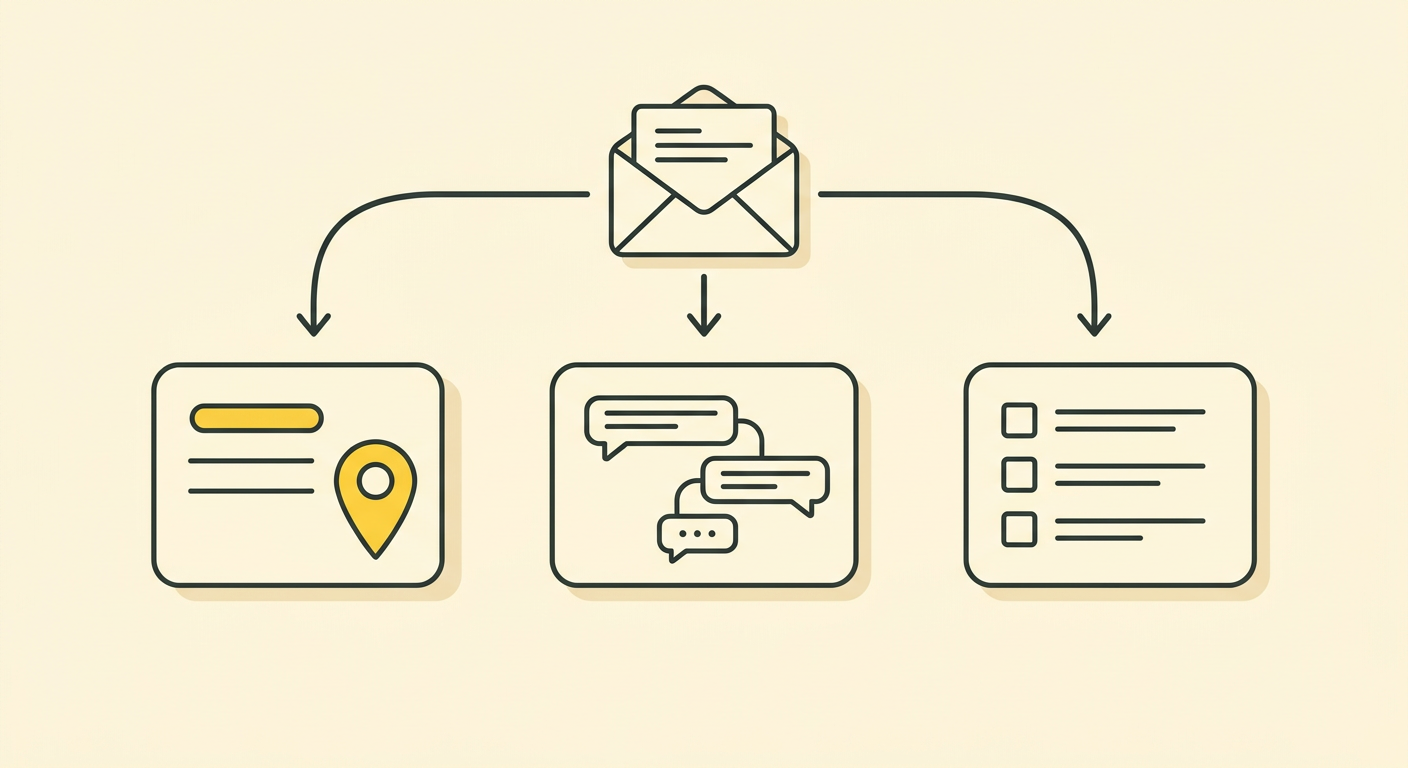
Once email is just JSON, features that used to take weeks take an afternoon. Treat a reply like any other webhook and wire it straight into whatever you are building.
Inbound email is included on every plan. Add a route, paste a webhook URL, and start receiving email in your app today.
 PostedApi